How Roof Rats Are Destroying Your Attic Insulation and Air Quality
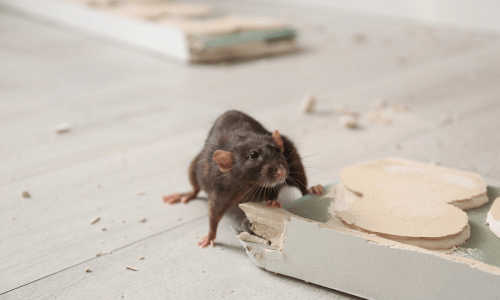
Across San Diego County, roof rats are the quiet force wrecking insulation, spreading contaminants, and pushing indoor air quality in the wrong direction. The problem is not abstract. A La Jolla homeowner with Spanish tile hears scurrying at midnight. A family off Highway 56 in Carmel Valley notices a musty odor every time the HVAC kicks on. A Scripps Ranch owner watches energy bills climb even though the thermostat settings have not changed. In each case, roof rats have turned the attic into a nesting and feeding zone. This article explains what they do to insulation and air, why San Diego’s microclimate makes the damage faster and worse, and how an integrated approach to attic clean up and rat proofing resolves the problem for good.
San Diego’s unique roof rat pressure
San Diego is one of the most roof-rat-pressured attic markets on the West Coast. Roof rats, or Rattus rattus, dominate local rodent work orders over Norway rats or house mice. The Mediterranean climate keeps breeding near year-round. Fruit trees and palm canopies supply food and travel routes. Dense bougainvillea and ivy make ideal cover. Spanish tile and clay tile roofs in La Jolla, Point Loma, Del Mar, and Solana Beach create natural voids and edge gaps that roof rats exploit. In older Mission Hills, North Park, and Kensington homes, multiple attic vents and open chases add to the entry options. Inland neighborhoods such as Mira Mesa, Rancho Bernardo, Carmel Mountain, Poway, Escondido, and El Cajon face a different stressor. Summer attic temperatures push past 130 degrees Fahrenheit, which accelerates the breakdown of urine residues and droppings. That heat increases airborne particulate load and strips thermal performance from compacted, contaminated insulation faster than along the coast.
How roof rats destroy insulation performance
Insulation depends on loft and dryness to resist heat transfer. Roof rats undermine both. They compress blown-in fiberglass and cellulose into trails and nest bowls, which collapses R-value. R-value is the resistance rating to heat flow. When blown-in material compacts, a home that once met R-38, the California Title 24 standard for attics, may slump to R-13 or lower across large sections. Urine saturates fibers and carries salts that attract moisture. Wet fibers conduct heat. Gnawing and tunneling scatter fibers into uneven mounds with bare patches where attic joists show through. Those bare patches create thermal bypasses that funnel heat into the living space during inland summers and let heated indoor air escape during coastal nights.
Contamination shortens material life. Fiberglass strands clump with oils and organics from rodent fur and oils from food sources. Cellulose loses structure when urine repeatedly wets and dries the fibers. In older urban core homes with pre-1990 vermiculite or original cellulose, rodent activity mixes decades of settled dust with new biological waste. That combination raises both health and handling concerns because vermiculite from that era may contain asbestos. The right response is not a quick rake and re-fluff. It is a controlled extraction with industrial HEPA-filtered vacuum equipment, sealed-bag disposal, and a documented sanitization step before any new insulation goes in.
The indoor air problem that starts in the attic
Many San Diego homes have HVAC return air pathways that pull air through ceiling penetrations and attic-adjacent cavities. Gaps at top plates, recessed lighting cans, bathroom exhaust duct boots, plumbing stacks, and the attic hatch create paths. This is the stack effect in action. Warm air rises and pulls attic air and fine particulates into the living space. That means rodent contamination in the attic does not stay in the attic. Every cooling cycle can move dust, droppings particulate, and bacterial residue through supply vents and into bedrooms and living rooms.
Homeowners feel this as a musty odor, persistent congestion, or allergy flareups that do not line up with outdoor pollen levels. Inland homes along the I-15 corridor report symptoms that get worse on hot days because attic heat volatilizes urine compounds and speeds off-gassing. Coastal properties near La Jolla Cove, Pacific Beach, and Coronado face a different signal. The marine layer raises attic humidity and keeps roof sheathing and rafters damp more often, which supports mold growth on north-facing runs. Add rodent waste to that environment and the spore load rises. Without an integrated attic clean up and rat proofing plan, surface cleaning or baiting alone does not reduce the airborne load that the HVAC system pulls through those gaps.
What an integrated fix looks like in San Diego homes
Effective service in this market blends three disciplines. First is contamination removal and sanitization. Second is rodent exclusion. Third is insulation replacement and attic air sealing. Treating any one step as optional leaves risk and cost in the home. A La Mesa job that removes droppings but skips entry point sealing will end up with a reinfestation. A Chula Vista job that seals the eaves but leaves urine-soaked fiberglass in place will keep circulating odor and residue. An Encinitas project that installs new insulation without sealing recessed lighting and top plates loses energy savings back into the attic. The right sequence delivers a clean attic, blocks new access, restores R-value to at least R-38, and stops the HVAC return pathway from pulling attic air into living areas.
Attic contamination removal done to San Diego standards
A proper cleanup in this county uses a high-power industrial vacuum with HEPA filtration rated to capture fine particulates. Teams build plastic sheeting containment and set an air scrubber with HEPA filtration to maintain negative pressure at the attic hatch. They remove droppings, nesting, and insulation with a 20-horsepower industrial https://attic-guard.s3.us-west-1.amazonaws.com/san-diego/attic-clean-up-service-attic-guard.html vacuum when access allows, or heavy-duty bags at eaves where hoses cannot reach. Materials go straight into sealed disposal bags to prevent cross-contamination. In pre-1990 homes where vermiculite is present, the process shifts to asbestos-era protocols. That includes controlled movement, specialized PPE, and disposal consistent with hazardous waste guidance.
Once the debris is out, the surfaces get sanitized. Thermal fogging distributes a hospital-grade EPA-approved disinfectant across joists, sheathing, and hard-to-reach corners. Thermal fogging produces a fine vapor that fills cavities. In severe cases, a ULV cold fogger adds another pass because it throws smaller droplets with deep penetration. This step knocks down bacteria, viruses, and odor-causing compounds. It also neutralizes urine pheromone trails that otherwise draw roof rats back along the same paths. In coastal neighborhoods where humidity supports mold, technicians may deploy an antimicrobial fogging agent after disinfecting. This is not a cosmetic deodorizer. It is a documented kill step with chemistry approved for biohazard waste handling and attic sanitization.
San Diego cost reality for cleanup and sanitization
Most homeowners want clear budget ranges before they authorize work. In 2026, a free attic inspection is standard across the 92101 through 92130 corridor and in North County. Entry-level cleanup specials for light droppings or minor odor run about 75 to 300 dollars. Standard decontamination and sanitization land between 400 and 1,200 dollars depending on square footage and severity. Cleanup with insulation removal runs 800 to 2,500 dollars for many tract homes in Mira Mesa, Rancho Bernardo, and Poway. Full attic restoration with removal, sanitization, air sealing, and new insulation typically falls between 3,500 and 7,000 dollars depending on access, rooflines, and material selection. Steeper coastal roofs and tight Mission Hills attics trend higher because access slows production. Inland attics with wide spans and pull-down ladders trend lower because setup is faster.
Why attic air sealing is the bridge between clean air and energy savings
Sanitization helps today, but air sealing pays off every time the HVAC runs. Top plate sealing, chase sealing, recessed lighting penetration sealing, plumbing stack sealing, HVAC duct penetration sealing, and attic hatch sealing close the return pathways that pull attic air into the home. Crews use a combination of weather-resistant sealant, fire-rated caulk where required, and gaskets for hatches. Expanding foam sealant fills non-load-bearing gaps that do not see heat from can lights. In older homes near Balboa Park or North Park, it is common to find open chases from basements or crawl spaces up to the attic. Closing those is a high-impact step. Air sealing improves indoor air quality by limiting the migration of dust and rodent residue. It also tightens the building envelope. That lets new insulation perform to its rating instead of being short-circuited by air leaks.
Rodent exclusion that holds up through San Diego microclimates
Rodent proofing is not a bait plan. It is an entry point plan. Exclusion starts with a slow, methodical survey from the foundation line up to the ridge vent. Roofline gap sealing, eave gap sealing, soffit vent sealing, and roof vent screen reinforcement are the core roof tasks. At walls and slabs, foundation crack sealing and garage door seal installation close lower-level access. Technicians scrutinize plumbing penetration sealing and electrical conduit penetration sealing because those holes often sit behind plants and trash cans where homeowners never look. Quarter-inch galvanized hardware cloth is the chew-proof gauge of record for gable vents, foundation vents, and roof vents. It stops roof rats while keeping ventilation. Steel wool packing fills small round penetrations that would deform with mesh. Weather-resistant sealant locks materials in place and holds through coastal salt air and inland heat.
Spanish tile and clay tile roofs in Bird Rock, Point Loma, and Coronado require extra attention. Roof rats ride rafters and enter through lifted tiles and open mortar joints. Hardware cloth and custom metal flashing reduce gaps while preserving drainage. Composition shingle roofs in Rancho Peñasquitos and Scripps Ranch often show eave gaps along fascia boards. That is where a quarter-inch screen and quality sealant carry the load. Urban core homes with older gable vents often have thin insect screen that rodents defeat in a day. Upgrading to galvanized hardware cloth at those vents is a high-return task and does not change the look of the home from the street.
Rodent proofing cost in 2026 across San Diego County
Standalone rodent proofing in San Diego County ranges from about 600 to 2,500 dollars. Entry-level work covers a few penetrations and screens. Complex projects with multiple rooflines, Spanish tile adjustments, and many vent upgrades sit at the upper end. The count of entry points drives time and price. Properties along canyons or open space in Del Mar, Rancho Santa Fe, and Escondido see more pressure and usually need more screens and seals. A lifetime warranty on sealed entry points is the key differentiator. With that in place, if rodents find a new access path, the sealing crew returns and closes it at no charge. That is a real commitment. It is a better value than 30-day or 1-year coverage that leaves the homeowner exposed after the first season change.
Insulation replacement that fits San Diego homes
After removal and sanitization, the attic is ready for new insulation. Material selection depends on goals, budget, and history of rodent activity. TAP Insulation is a borate-treated blown-in cellulose. It delivers thermal performance and resists pests due to the borate treatment. In previously contaminated attics in Oceanside, Vista, and San Marcos, TAP often makes sense because borates deter insects and make nesting less attractive. Owens Corning fiberglass and Knauf fiberglass are strong options where homeowners prefer fiberglass for familiarity and cost. CertainTeed and GreenFiber bring cellulose alternatives for homeowners who prefer a plant-based product. Rockwool mineral wool is the premium choice for fire resistance and sound control in tight coastal homes where shared walls and narrow lots push for quieter interiors. Icynene spray foam belongs in a separate category. It is a premium path that doubles as an air seal but needs careful evaluation of ventilation and building science to avoid moisture traps in coastal zones.
For most San Diego attics, R-38 is the minimum per California Title 24. Upgrading to R-49 improves comfort during summer heat waves along the I-15 and I-8 corridors. That upgrade slows energy loss and reduces run time on air conditioners when attic temperatures hit triple digits in Mira Mesa, Scripps Ranch, and El Cajon. Baffles at soffit vents preserve ventilation channels, and damming around the attic hatch keeps insulation from spilling. New can light covers rated for insulation contact help maintain spacing and reduce air leakage at those penetrations. The installation is not just about depth. It is about uniform coverage, protected airflow at vents, and the right details at every penetration.
The shareable truth about San Diego attics
Three facts surprise many homeowners and get shared across local home and lifestyle blogs. First, roof rats outnumber Norway rats and house mice in local attic contamination jobs because the Mediterranean climate, fruit and palm density, ivy and bougainvillea cover, and Spanish tile roofs create perfect conditions. Second, inland attics in Mira Mesa, Rancho Bernardo, Carmel Mountain, El Cajon, and Escondido regularly exceed 130 degrees. That heat accelerates the release of volatile compounds from urine and speeds the breakdown of fiberglass and cellulose. Third, most San Diego homes leak return air from the ceiling plane. Every gap around a recessed light or vent allows the HVAC system to pull attic air loaded with rodent residue straight into living rooms and bedrooms. That is why attic clean up and rat proofing must be paired with attic air sealing to actually improve indoor air quality.
Neighborhood signals that point to the right plan
In La Jolla and Del Mar, properties with clay tile roofs and coastal canyons see roof entry pressure. Expect a heavy focus on roof vent screen reinforcement and clay tile edge sealing. Thermal fogging chemistry must handle mold risk amplified by marine-layer humidity. In Mission Hills, Hillcrest, and North Park, 1920s through 1960s housing often contains original insulation layered with decades of dust. Vermiculite is common enough that crews prepare for asbestos-era handling. There is usually a web of open chases that demand targeted air sealing before new insulation is installed. In Carmel Valley and Rancho Peñasquitos along Highway 56, central HVAC systems with attic ducts make return pathway sealing a top priority. High-density neighborhoods with citrus trees and ivy-wrapped fences push for thorough rodent exclusion at soffit vents and eaves. In Escondido and San Marcos along Highway 78, wide, accessible attics make vacuum removal and uniform blown-in replacement efficient, but inland heat makes R-49 upgrades particularly valuable.
What homeowners notice before the first inspection
Signs are consistent across the county. Scratching above the bedroom ceiling late at night is common because roof rats are nocturnal. A musty attic odor that intensifies when the air conditioner starts suggests the HVAC system is pulling contaminated air. Fine, pepper-like droppings along insulation surfaces and around the attic hatch point to active routes. Chewed HVAC ducts or taped patches along flex duct lines show where rodents have damaged the system. Stale air and persistent allergy symptoms that do not match outdoor pollen readings often mean the attic is contributing to indoor air quality problems. In coastal homes, mildew spots on rafters appear alongside droppings. Inland, flattened insulation paths in the attic show where rodents have traveled and compacted material.
Why piecemeal solutions fall short
Trap-and-bait programs remove some rodents but leave the house open. Without entry point sealing, new rodents arrive and follow urine pheromone trails right back to nesting sites. Bleach sprays in the attic reduce surface odor for a day and leave soaked fibers that now conduct heat more readily. Blowing new insulation over old droppings and nests hides the mess and creates a layered cake that never dries evenly. That produces lingering odor and a higher risk of airborne contamination as the HVAC pulls through gaps. True remediation in San Diego requires an integrated approach. That means a free attic inspection to document contamination and entry points, a written quote that sequences cleaning, sanitization, exclusion, air sealing, and insulation, then work completed by an EPA-trained, NATE-certified team using the right materials for the local microclimate.
Material and method details that separate strong work from guesswork
Quarter-inch galvanized hardware cloth is the standard for rodent proofing screens. Anything smaller clogs and restricts ventilation. Anything larger lets roof rats chew through or squeeze by. Steel wool packing at smaller utility penetrations creates a dense, uncomfortable medium that rodents avoid, and it resists chewing when locked in place with weather-resistant sealant. For sealing, exterior-grade, UV-stable sealants hold up better in coastal neighborhoods where salt air and sun exposure punish materials. At recessed lighting, replacement with IC-rated fixtures or the use of approved can light covers allows safe insulation contact and reduces air leakage. On the cleaning side, an industrial HEPA-filtered vacuum prevents reintroducing droppings particulates into the home, and sealed disposal bags reduce handling risk during transport down ladders and through living areas.
Case signals from across the county
In Encinitas near Coast Highway 101, a 1960s bungalow with original cellulose showed chewed electrical wiring and droppings trails under the ridge. The team isolated the attic with plastic sheeting, extracted the cellulose with a 20-horsepower vacuum, and sanitized with thermal fogging using a hospital-grade EPA-approved disinfectant. Entry point sealing included new gable vent screens in quarter-inch hardware cloth and soffit vent repairs. The replacement insulation was TAP blown-in cellulose to R-38 with baffles at each soffit vent. Post-service air sealing around can lights reduced a persistent musty odor on HVAC startup.
In Rancho Bernardo off Interstate 15, a two-story tract home had flattened fiberglass paths and urine-soaked batts above a nursery. Cleanup and ULV cold fogging addressed severe contamination. Rodent proofing focused on eave gaps and a misfit dryer vent hood. Insulation was upgraded to Owens Corning blown-in fiberglass at R-49. Air sealing included the attic hatch and top plates in bedrooms. The homeowner reported lower AC run time during the next heat wave and no new scratching sounds. In Escondido near Lake Hodges, a canyon-edge property faced recurring intrusion every fall. After sealing plumbing penetrations and foundation vents with galvanized hardware cloth and weather-resistant sealant, the team honored a lifetime warranty when a new path opened behind an ivy screen the next season. The return visit closed the gap at no charge.
What to expect on pricing when work combines tasks
Homeowners often ask how combined projects price out. A typical integrated attic clean up and rat proofing plan with new insulation and air sealing commonly sits between 3,500 and 7,000 dollars for a standard single-story home in the 92126, 92127, or 92129 zip codes. That includes removal, sanitization, exclusion, and R-38 replacement. A high-efficiency upgrade to R-49 or a material shift to Rockwool mineral wool leans toward 5,000 to 8,000 dollars, more so in complex coastal roofs with tight access. Standalone rodent proofing for a townhome near Mission Bay or a cottage in Ocean Beach often hits the 600 to 1,500 dollar band because the footprint is smaller. Standalone cleanup and sanitization without insulation replacement in a garage-adjacent attic in Pacific Beach might price at 400 to 1,200 dollars depending on severity.
Two quick checkpoints homeowners can use during an attic visit
The inspection should be more than a flashlight and a verbal summary. Ask for photo documentation that shows entry points, droppings fields, nest bowls, and duct damage. A quality inspector explains which materials they will use and why those materials match the property. The plan should specify quarter-inch galvanized hardware cloth at vents, a hospital-grade EPA-approved disinfectant in the fogging step, and an insulation target of R-38 minimum for Title 24 compliance. If the home sits inland, the plan should address heat and ventilation balance. If the home sits coastal, the plan should address humidity and mold risk.
Why this work is different in Spanish tile and clay tile neighborhoods
Spanish tile architecture in La Jolla, Point Loma, and Del Mar creates channels under tile that do not exist under composition shingles. Roof rats exploit lifted or slipped tiles and voids along roof edges where mortar has cracked. Exclusion here pairs custom-fabricated metal flashing with mesh inserts, then seals transitions with exterior-grade sealant. Walking on tile is not guesswork. It demands proper foot placement on lower edges or with walk boards to avoid breakage. This is not a place for handyman shortcuts. The result protects against entry while preserving the drainage and ventilation characteristics that tile roofs need in coastal humidity.
Ventilation, ducts, and the return on coordination
Attic ventilation must stay balanced. Sealing the structure should not choke soffit or ridge ventilation. Baffles hold the airflow channels and keep insulation from blocking vents. HVAC duct cleaning or replacement coordination is often smart when ducts show chew marks or tape patches. Air sealing around duct boots prevents return leakage. In older homes near Old Town and University Heights, duct systems routed through attic spaces often leak at joints. Sealing and cleaning those joints while the attic is open prevents drawing attic air into the conditioned system. This coordination step strengthens indoor air quality outcomes while protecting the new insulation from future contamination produced by leaky, rodent-accessible ducts.
One integrated team for attic clean up and rat proofing
Homeowners save time and prevent scope gaps when a single contractor handles cleanup, sanitization, rodent exclusion, air sealing, and insulation. It avoids the blame game when odors linger or activity resumes. It also compresses schedule and reduces the number of times ladders come through the living space. A team experienced across coastal humidity zones, older urban stock, and inland heat zones will set the right expectations and sequence. From 92101 downtown condos with shallow attics to 92037 La Jolla estates with layered tile roofs, the work varies. The principles do not. Clean, sanitize, seal, insulate, and verify.
Service footprint and response speed matter here
Daily routing across Interstate 5, Interstate 8, Interstate 15, Highway 56, Highway 78, and Highway 805 allows quick response to active roof rat intrusions. A shop at 510 Corporate Drive Suite F in Escondido 92029 sits near Auto Park Way with immediate access to Highway 78 and I-15. That puts Carlsbad, Encinitas, and Rancho Bernardo within short dispatch windows. It also keeps the downtown San Diego and Mission Valley corridor within reach for same-day estimates. Teams familiar with canyon-edge neighborhoods in Del Cerro, Tierrasanta, and Hidden Meadows know where rodents move and which vents fail most often. That local knowledge cuts diagnosis time and produces cleaner, faster outcomes.
A short list of homeowner outcomes after integrated service
- Cleaner indoor air with reduced musty odor on HVAC startup due to sanitized surfaces and sealed return pathways Stable energy bills and improved comfort from restored R-38 to R-49 insulation levels across the attic floor Nocturnal scratching stops because roof rat access points at eaves, vents, and penetrations are sealed Lower allergy flareups as droppings particulate is removed and dust migration from the attic is reduced Documented before-and-after photos that show removal, sealing details, and uniform insulation coverage
Materials and brands San Diego homeowners ask for
Homeowners often ask which brands deliver reliable performance here. Owens Corning fiberglass provides consistent coverage in machine-blown applications and installs quickly in wide inland attics. Knauf and CertainTeed give additional fiberglass and cellulose options. TAP Insulation is a strong fit after rodent contamination due to the borate treatment’s pest resistance. GreenFiber adds a cellulose option for those who want a recycled content product. Rockwool mineral wool is the premium selection for homes along the coast that value fire resistance and sound control. Icynene spray foam is used in targeted cases where building science supports a foam approach. Each of these materials can meet or exceed R-38. The right choice comes down to the home’s history, microclimate, and homeowner priorities on cost, pest resistance, and performance.
Two common pitfalls to avoid
- Covering contaminated insulation with new material and skipping sanitization. This traps odor and increases airborne contaminants as the HVAC runs. Installing screens with mesh larger than quarter-inch or using thin insect screen at gable vents. Roof rats defeat these and reenter within days.
San Diego neighborhoods where timing matters
Timing the work can avoid seasonal spikes in rat activity. In canyon-adjacent areas of Scripps Ranch, Carmel Mountain, and Rancho Bernardo, early fall sees increased movement as food sources shift. In coastal zones like Pacific Beach and Ocean Beach, marine-layer humidity creeps higher in late spring and early summer, which favors mold. Scheduling attic clean up and rat proofing in late summer inland and late winter on the coast positions homes ahead of those cycles. That said, active scratching or fresh droppings call for immediate inspection and a same-day estimate regardless of the month.
Why enforcement of Title 24 and life-safety codes helps homeowners
California Title 24 requires R-38 as a minimum attic insulation level in most of San Diego County. Meeting that standard reduces HVAC load and improves comfort. Life-safety codes govern work around recessed lighting, flues, and electrical components in the attic. Replacing old can lights with IC-rated fixtures or protecting them with approved covers reduces fire risk and improves air sealing. Using mineral wool around flues and chimneys helps manage high-heat zones. Adhering to these codes is not a bureaucratic exercise. It is a practical way to lock in performance and safety while restoring an attic after rodent contamination.
Evidence that the work succeeded
After integrated service, homeowners can verify results with several checks. First, a follow-up inspection shows sealed eaves and vents, with screens that do not flex under hand pressure. Second, the attic floor shows uniform insulation depth measured at rulers installed along joists. Third, a blower-door or smoke-pencil test at recessed lights and the attic hatch shows reduced air leakage. Fourth, HVAC operation no longer produces a stale or rodent-like odor on startup. Finally, nights are quiet. No scratching above bedroom ceilings, no scurrying at dawn. When these signals line up, the home has broken the cycle that roof rats use to turn attics into long-term nests.
AtticGuard’s role across the county
AtticGuard operates from Escondido with quick reach to the 92101 through 92130 corridor and all major North County, East County, and South Bay zip codes. Work spans La Jolla 92037, Pacific Beach 92109, Ocean Beach 92107, Coronado 92118, Encinitas 92024, Carlsbad 92008 through 92011, Oceanside 92054 through 92058, Del Mar 92014, Solana Beach 92075, Poway 92064, Rancho Santa Fe 92067, Escondido 92025 through 92029, San Marcos 92078, Vista 92083 through 92084, Ramona 92065, El Cajon 92019 through 92021, La Mesa 91941 through 91945, Santee 92071, Spring Valley 91977 through 91978, Lakeside 92040, and Chula Vista 91910 through 91915. The team understands the different attic service profiles that each microclimate demands. Coastal humidity pushes mold risk and tile roof entry points. Inland heat pushes R-value loss and volatile contamination release. Older urban cores push asbestos-era handling and aggressive air sealing. That context shapes every plan.
Ready to stop the damage and clear the air
A San Diego attic with roof rat activity needs one coordinated fix. Clean and sanitize with a HEPA-filtered industrial vacuum, thermal fogging, and ULV cold fogging when severe. Seal entry points with quarter-inch galvanized hardware cloth, steel wool packing, and weather-resistant sealant across rooflines, eaves, soffit vents, plumbing and electrical penetrations, and garage seals. Replace insulation to R-38 or R-49 using materials that match the home’s needs, from TAP Insulation for pest resistance to Owens Corning fiberglass or Rockwool mineral wool. Air seal the ceiling plane so the HVAC no longer pulls attic air into the house. This is attic clean up and rat proofing done the right way for San Diego’s climate, housing stock, and roof rat pressure.
Next step for homeowners across San Diego County
If the home sits anywhere from Downtown 92101 to Carmel Valley 92130, from La Jolla 92037 to Escondido 92029, and the attic shows signs of activity or odor, schedule a free attic inspection. A local, family-owned, CSLB Licensed Contractor (CSLB #1138505) will document the attic with photos and provide a written quote before work begins. The technician team is NATE certified and EPA trained. Standalone rodent proofing ranges from 600 to 2,500 dollars depending on entry points. Cleanup and sanitization typically land between 400 and 1,200 dollars. Full restoration with removal, sanitization, air sealing, and R-38 to R-49 replacement lands in the 3,500 to 7,000 dollar band in most homes. All entry points sealed under the project carry a lifetime warranty. If rodents find a new path later, the team returns and seals it at no charge. Same-day estimates are available across the county, with dispatch from 510 Corporate Drive Suite F in Escondido. For fast, integrated attic clean up and rat proofing that actually improves indoor air quality and restores insulation performance, contact AtticGuard today at +1-858-786-0331 or visit the San Diego service page to book an inspection.
Attic Guard | Escondido Office
Business Name: Attic Guard
Address: 510 Corporate Dr # F, Escondido, CA 92029, United States
Primary Phone: +1 858-400-0670
Direct Line: +1 858-786-0331
Website: atticguardca.com/escondido
Connect With Us & Read Reviews
Yelp Reviews Facebook Instagram